Three mindsets every municipal purchasing professional needs
 In the world of municipal procurement, being a professional isn’t just about knowing the right vendors or negotiating a good price. What truly separates an effective procurement leader from the rest is how they think. Photo: Kinetic GPO
In the world of municipal procurement, being a professional isn’t just about knowing the right vendors or negotiating a good price. Purchasing professionals juggle a lot including budgets, deadlines, vendors, compliance obligations, and market volatility – often all at once.
What truly separates an effective procurement leader from the rest is how they think.
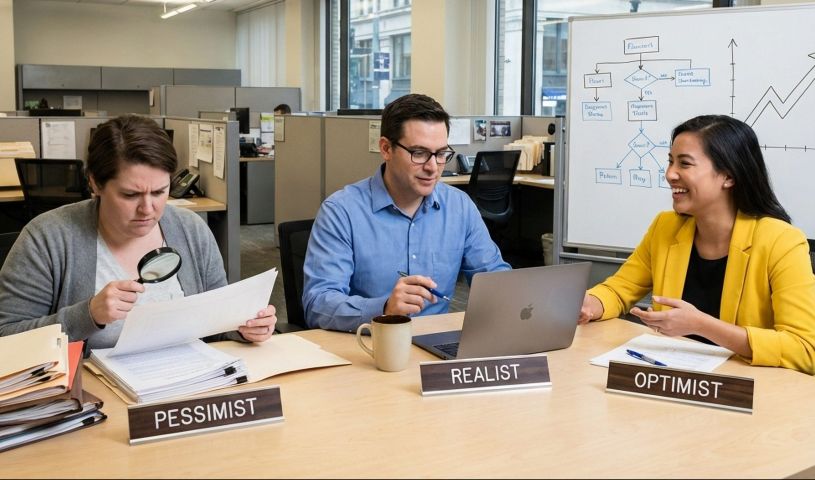
Successful municipal buyers instinctively shift among three thinking styles: Pessimist, Realist, and Optimist (PRO). Mastering the balance between these mindsets is what makes a purchasing PRO.
The Pessimist: The Guardian of Risk
The purchasing pessimist is the person who double-checks everything. They’ve seen too many “guaranteed best price” quotes mysteriously end up being a lot more.
Pessimists are invaluable because they watch for legal, contractual, and project risk. They know that teams often focus on templates and procedural checklists, sometimes overlooking exposure to bidder challenges, negligent misrepresentation, or unclear evaluation criteria. They are wary of timelines, budgets, and contractor performance. Without a pessimist in the room, these risks can quietly accumulate until they become costly disputes.
They are especially alert to misunderstandings around “value for money.” Too often, value is equated solely with the lowest bid, rather than a balance of price, quality, risk, schedule, and social or environmental objectives. Pessimists know this mindset can produce RFPs that are overweighted to price, discourage capable vendors, and ultimately undermine long-term competition and market health.
Pessimists also plan for the worst. They have a Plan B for their Plan A, and a Plan C for their Plan B.
The Realist: The Anchor in Complexity
While the pessimist protects against what could go wrong, the realist manages what “is” going wrong.
Realists know the world as it is and that price fluctuations happen, supply chains have hiccups, and sometimes “urgent” requests can wait until after lunch. They keep calm, stay organized, and methodically work the problem instead of playing the blame game.
When a supplier promises delivery next week, the realist quietly plans for two. They understand that lead times in Canada shift faster than gas prices. They plan with calculated caution, balancing optimism with buffers. To them, a 15 per cent price increase requires strategic sourcing, not wishful thinking.
Realists live in spreadsheets, not fairy tales. They compare market trends, currency impacts, and vendor risk before making a call.
In Canada, municipal purchasing is complex, capacity-strained, increasingly strategic, and unavoidably political. Realists operate in a world layered with common law duties, trade agreements, statutes, regulations, and internal bylaws. Compliance is not a checklist; it is a constant exercise in interpretation. This complexity slows processes and creates uncertainty for staff and vendors alike, even when everyone acts in good faith.
To address this, realists rely on third-party organizations and cooperative tools like group purchasing organizations (GPOs) to reduce workload while maintaining compliance.
They also understand capacity constraints. Many small and mid-sized municipalities operate with lean (or nonexistent) dedicated procurement teams. Retirements and competition from other sectors exacerbate skills shortages. Realists know they must find suppliers and partners who extend capacity without breaking already strained budgets.
Finally, realists are comfortable with public scrutiny. Media attention, audits, and political priorities shape timelines and decisions. Even when the process is sound, perception matters. Realists accept this reality and work within it.
The Optimist: The Builder of the Future
The purchasing optimist believes there is always a solution. They nurture strong relationships, celebrate small victories, and believe collaboration can turn any situation into a win-win.
Optimists believe people generally say what they mean and mean what they say. They trust that good service, strong teams, and professional integrity matter. They see a bright future for Canadian municipal procurement: one that is more digital, more strategic, more values-driven, and more collaborative.
They embrace technology as an enabler. E-procurement platforms, dashboards, and automated contract management tools reduce administrative burden and improve transparency for both vendors and internal stakeholders. More importantly, optimists understand that better data leads to better decisions.
Analytics allow procurement teams to monitor performance, manage risk, and evaluate outcomes through a true “best value” lens rather than relying solely on manual judgment.
They are also champions of strategic and value-focused buying. Optimists see category management, intentional sourcing strategies, and GPOs as practical solutions, especially when internal capacity is constrained. These approaches help municipalities leverage scale, access expertise, and align purchasing activity with broader organizational goals.
Finally, optimists welcome modernization initiatives and “buy Canadian” discussions. Increased attention, policy focus, and investment in procurement strengthen professionalization, build long-term capability, and position municipal purchasing teams to deliver greater impact for the communities they serve.
The Purchasing PRO
In true Canadian fashion, the best approach is balanced. A successful municipal purchasing PRO blends all three thinking styles.
They are cautious enough to prevent risk from turning into regret, grounded enough to anchor decisions in facts and process, and optimistic enough to inspire innovation and collaboration. Because in procurement, it’s not about choosing one mindset. It is about knowing when to use each.
Gerald R. Ford is a supply chain management professional with more than 40 years of experience. He has worked and consulted for more than 100 different organizations and businesses both in the private and public sector.